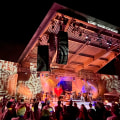
Concert venues in Denver, CO operate in a fast-moving environment where entertainment, safety, contracts, staffing, customer experience, and compliance all come together at once. A successful event is not only measured by ticket sales, sound quality, lighting, or artist performance; it also depends on the venue’s ability to manage legal and operational responsibilities behind the scenes. Smart legal guidance helps concert venues create stronger systems for booking agreements, vendor relationships, crowd control, insurance coverage, alcohol service, employment policies, and emergency planning. In a city with an active live music culture, venues must be prepared for different event sizes, audience behaviors, technical requirements, and public safety concerns. Without clear legal planning, even one poorly written contract or preventable incident can affect reputation, revenue, and future bookings.
Strengthening Contracts and Vendor Relationships
One of the most important ways legal guidance supports concert venues is through strong agreements. Venues often work with artists, promoters, ticketing platforms, security teams, sound technicians, lighting crews, food vendors, beverage providers, cleaning companies, and equipment rental businesses. Each relationship should be supported by clear terms covering payment, cancellation, scheduling, technical needs, liability, insurance, setup duties, staffing, and dispute procedures. If a performer cancels, equipment fails, a vendor misses a deadline, or a promoter misunderstands financial terms, the venue may face losses or operational delays. Well-prepared agreements help reduce confusion and create a written roadmap for resolving problems professionally.
Managing Safety and Liability Risks
Concert venues also face unique safety challenges because large groups gather in energetic, crowded spaces. Risk management may include safe entrances and exits, capacity limits, emergency access, crowd flow, lighting, flooring, restroom access, alcohol policies, security procedures, and staff training. Venues must also consider how to document incidents, respond to injuries, manage intoxicated guests, and coordinate with local authorities when needed. While concert operations are different from personal injury representation, firms such as Jordan Law Accident & Injury Lawyers reflect why understanding responsibility, safety, and legal exposure is important whenever public spaces welcome large numbers of people. Legal guidance helps venues review policies before issues arise, rather than reacting only after a complaint, accident, or dispute occurs.
Supporting Employees, Guests, and Performers
Smart legal support also helps venues protect the people who make events possible. Employees and contractors need clear expectations regarding scheduling, pay, duties, workplace safety, harassment policies, emergency roles, and reporting procedures. Guests need transparent ticket terms, refund policies, accessibility accommodations, code-of-conduct rules, and security expectations. Performers and production teams need clarity about load-in times, backstage access, equipment responsibilities, and promotional obligations. When each group understands its responsibilities, the event experience becomes smoother and more professional for everyone involved.
Building Long-Term Venue Success
Ultimately, concert venues in Denver, CO strengthen operations by treating legal guidance as part of event planning rather than a last-minute solution. Strong contracts, clear policies, proper insurance, staff training, and safety procedures all help protect the venue while improving consistency. In the live entertainment industry, where timing and trust matter deeply, smart legal planning supports better events, stronger partnerships, and greater confidence from artists, guests, and business partners. A venue that manages legal responsibilities well is better positioned to grow, protect its reputation, and continue bringing memorable performances to the Denver community.